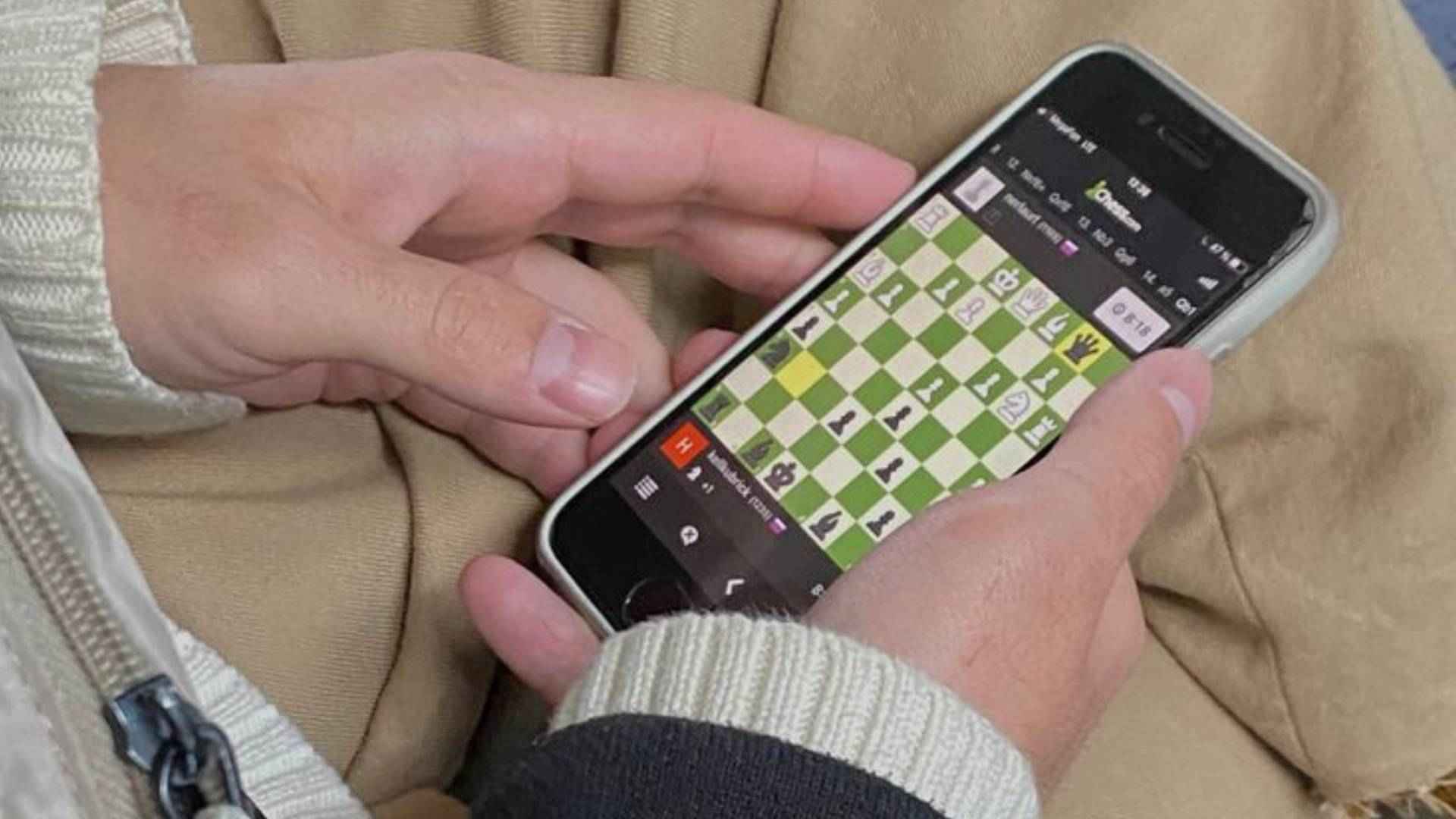
The landscape of modern digital entertainment has evolved significantly, shifting from isolated single-player journeys to interconnected social ecosystems that foster community engagement and collaborative gameplay. Today, players look for more than just high scores; they seek immersive spaces where they can build meaningful connections and interact in real time. Games equipped with sophisticated social tools have successfully transformed the way global audiences communicate and bond.
The Evolution of In-Game Communication
Modern multiplayer titles have moved far beyond basic text chat to include highly integrated communication platforms. Real-time voice systems and interactive proximity audio allow players to coordinate complex strategies seamlessly during intense gameplay loops. These enhancements not only improve overall team performance but also create a highly welcoming environment for casual and competitive players alike.
Furthermore, developers are continuously refining user interfaces to make active dialogue more intuitive and less intrusive. When players can communicate effortlessly, they are much more likely to form long-lasting bonds that extend outside the virtual match. This smooth integration turns standard gaming sessions into vibrant digital hangouts where communities naturally thrive.
Building Communities Through Guilds and Clans
Structured group mechanics, such as guild systems and persistent clans, serve as the backbone for long-term player retention. These internal systems allow hundreds of individuals to pool resources, align shared objectives, and establish unique digital identities. Joining an organized community provides players with an immediate sense of accountability and shared responsibility.
To explore dynamic online hubs that support diverse gaming interests and community participation, enthusiasts can visit M88id for modern options. Engaging with these specialized networks connects you to advanced systems designed to enhance collaborative interaction across different playstyles. Participating in recurring clan battles and collective tasks ultimately strengthens interpersonal trust among global users.
Shared Spaces and Dynamic Social Hubs
Virtual worlds increasingly feature dedicated non-combat zones where players can interact purely for relaxation and entertainment. These open-ended social spaces grant users complete freedom to showcase customized avatars, trade rare items, and organize spontaneous community events. By decoupling social interaction from competitive pressure, developers create highly inclusive environments for everyone.
These interactive shared spaces function as modern digital gathering grounds where individuals build deep friendships and share complex strategies. As a result, the boundary between social networking and gaming continues to blur in fascinating ways. Players are no longer just participating in a match; they are inhabiting a living ecosystem that evolves based on collective interaction.
The Long Term Impact of Social Gaming
Prioritizing robust community features directly impacts the longevity and cultural relevance of contemporary video games. Titles that focus heavily on fostering mutual trust and active problem-solving build fiercely loyal player bases that stay engaged for years. These collaborative frameworks ultimately help bridge geographical and cultural divides through shared experiences.
As network infrastructure improves worldwide, the demand for deeply connected environments will only continue to rise. Games that successfully integrate powerful social tools provide valuable spaces for meaningful personal growth and cognitive development. Investing time in these virtual networks transforms a casual pastime into a deeply fulfilling social journey.