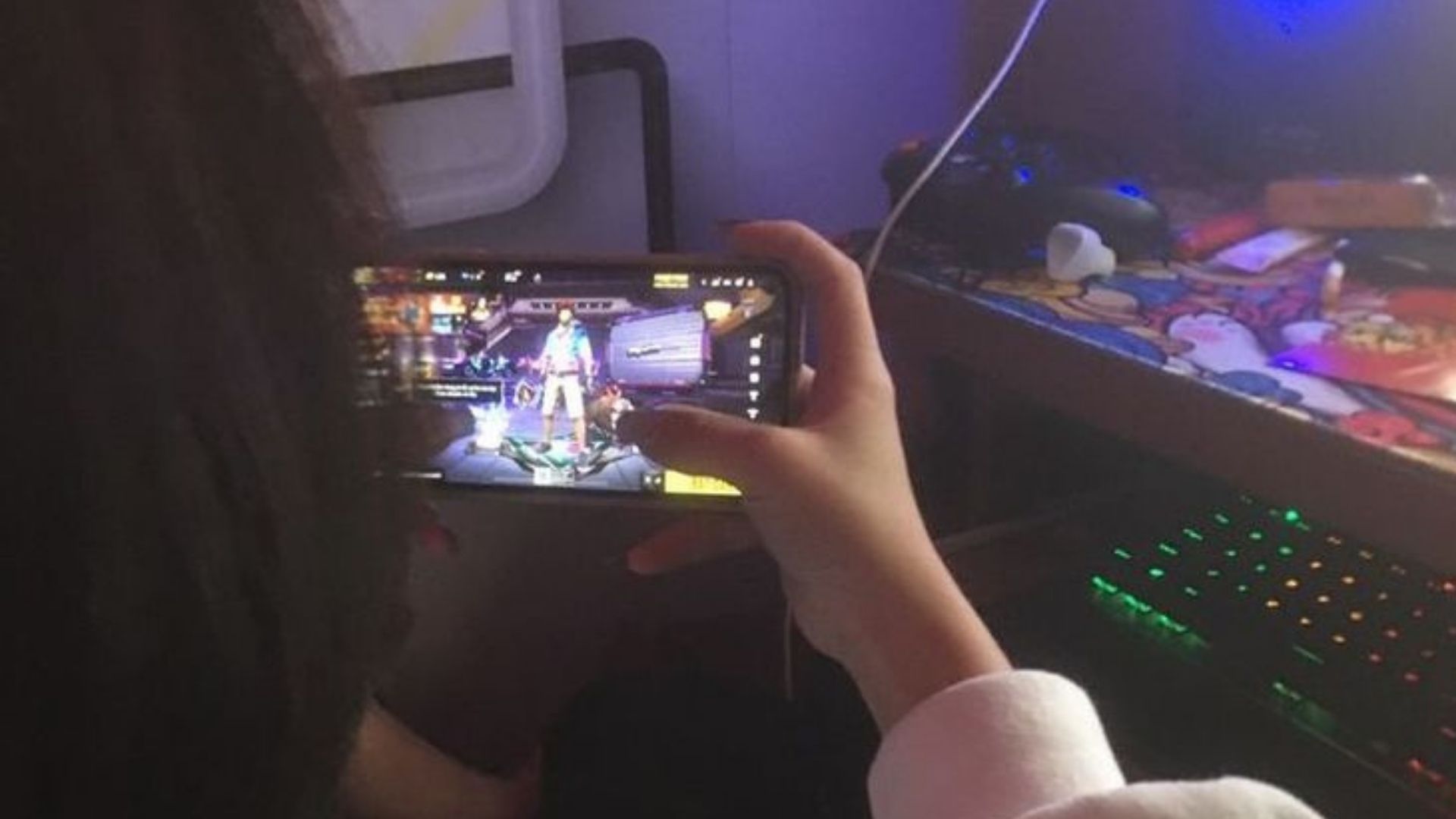
The world of casino entertainment has experienced an incredible transformation, moving from heavy mechanical gears to complex digital networks that span the globe. Today, millions of players can access their favorite titles with a single tap on their smartphone screens, enjoying immersive experiences that were unimaginable a century ago. Understanding this fascinating historical timeline helps enthusiasts appreciate the technological marvels that power their current gaming sessions.
The Mechanical Foundations of Reel Entertainment
In the late 19th century, early prototypes relied entirely on physical springs, levers, and metal drums to determine game outcomes. Players pulled a heavy cast-iron arm to set the physical reels in motion, hoping to align traditional symbols for a modest payout. These early machines were simple and direct, establishing a foundational loop of casual entertainment that captured the public imagination in local establishments.
As the decades progressed, electromechanical designs introduced colorful lights, enhanced audio elements, and automated multi-coin payout hoppers. This technological shift eliminated the mechanical constraints of older models, allowing for faster gameplay loops and larger available reward pools. The game design began to move away from rigid physical parts toward a more dynamic player experience.
The Shift to Virtual Software Environments
The introduction of video display technology in the late 20th century completely revolutionized the core mechanics of gaming. By replacing physical reels with virtual monitors, developers unlocked a massive creative space for custom graphics, complex mathematical algorithms, and layered bonus features. This critical milestone marked the arrival of Random Number Generators to ensure mathematical fairness and independent outcomes for every spin.
When virtual platforms expanded onto the internet during the mid-1990s, players gained unprecedented convenience and an extensive variety of choices. Digital environments allowed software creators to experiment with diverse themes, custom narrative backdrops, and multi-line payout configurations. This shift successfully transitioned the classic pastime from a localized physical interaction into a highly interactive global network.
Modern Multi-Platform Optimization and Accessibility
Today, next-generation pocket-sized applications ensure that high-performance slot titles are accessible anytime and anywhere. Modern developers utilize advanced framework architectures to build highly responsive games that adjust perfectly to diverse screen sizes and touch controls. Finding a trusted gaming portal like Msports allows users to explore premium titles featuring fluid animations and fast loading times.
The current landscape also prioritizes advanced gamification elements, including player progression tracking, unique missions, and localized community leaderboards. These interactive mechanics offer a deeper layer of engagement that goes far beyond the traditional matching of simple symbols. The modern era focuses heavily on delivering complete, balanced entertainment ecosystems tailored to individual player preferences.
A Forward Outlook on Immersive Innovations
As technology continues to advance at a rapid pace, the horizon promises even more sophisticated layers of player immersion. Emerging implementations of virtual reality environments and adaptive artificial intelligence algorithms seek to tailor game pacing dynamically. These upcoming changes will continue to rewrite the rules of interactivity, keeping the historic gaming journey alive and evolving.