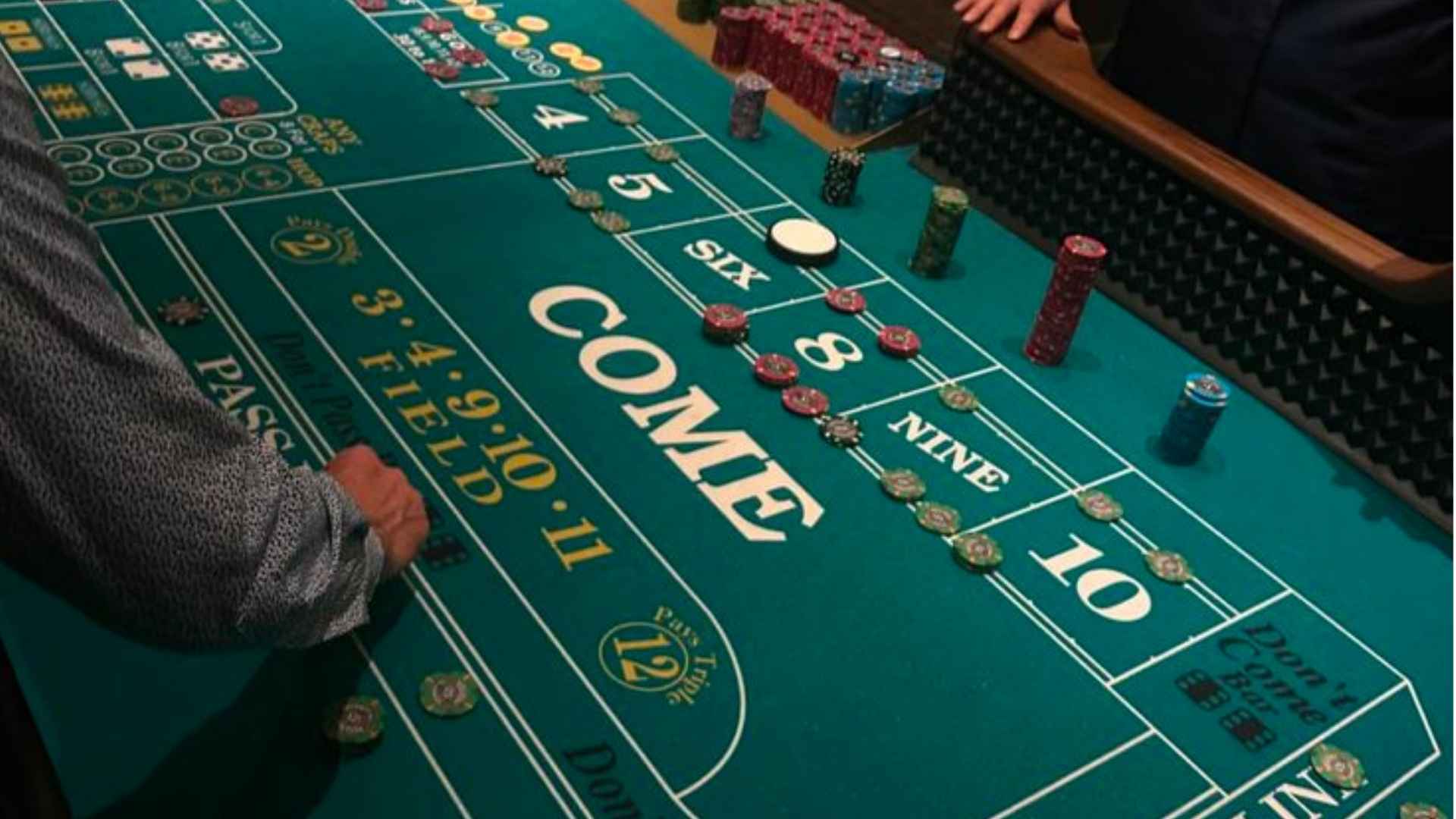
Stepping into a traditional card room for the first time can feel overwhelming due to the unspoken rules and structured environment. Unlike casual home games, established card rooms operate on strict behavioral standards designed to maintain integrity and flow. Understanding these fundamental procedures ensures that newcomers can approach the tables with confidence and respect for the local gaming culture.
Securing Your Seat and Managing Capital
Before joining any live round, players must register with the floor staff or waitlist coordinator to claim an open position. It is customary to purchase your chips at the main cage rather than trying to exchange cash directly with the dealer. This systematic approach keeps the physical table environment organized and prevents unnecessary administrative delays during active sessions.
Once seated, players should place their chips in clear view of everyone at the table to maintain absolute transparency. For individuals seeking modern options to explore gaming variations, utilizing an active m88 促销代码 provides an easy entry point into diverse digital platforms. Understanding these financial habits early on helps build structural discipline whether you choose physical setups or remote alternatives.
Observing the Mechanics of the Deal
Traditional card rooms place immense emphasis on the exact sequence of manual card distribution to safeguard game fairness. Players must wait until the dealer finishes distributing all cards before touching their individual hands. Handling your cards prematurely or moving them out of the dealer's sight line violates core room security standards.
Additionally, verbal declarations are generally considered binding actions that dictate the immediate progression of the round. If you intend to pass or raise, stating your decision clearly ensures that the table maintains a steady cadence. This focus on clear communication minimizes disputes and fosters mutual respect among all participants sitting at the layout.
The Etiquette of Live Table Interaction
Maintaining proper decorum during an active round is just as critical as knowing the mathematical rules of the game. Discussing an ongoing hand while other players are still making decisions is strictly prohibited across traditional rooms. This rule prevents accidental information leaks that could unfairly influence the strategic outcomes for remaining contenders.
Furthermore, standard customs require players to act in proper turn sequence to prevent disrupting the natural flow. Observing the actions of the participants positioned before you allows you to gather essential table context before committing your own chips. By mastering these quiet habits, beginners can blend seamlessly into traditional environments and fully appreciate the historic heritage of card play.